Music is one of the most powerful ways Maasai communities express identity, memory, celebration and faith. Traditional singing often emphasizes the human voice, layered rhythm, call-and-response and group participation. Contemporary Maasai music has expanded that foundation with studio instruments, gospel, Afro-pop, electronic production and global digital platforms.
The voice as an instrument
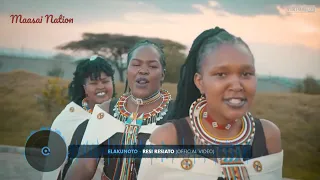
Traditional Maasai music is often primarily vocal. A song leader may introduce a phrase and the group responds, creating a call-and-response structure. Singers can layer sustained tones, rhythmic syllables and melodic phrases so that the group itself becomes the instrument. This communal sound is difficult to understand from written description alone because movement, breathing and social interaction are part of the performance.
Not every song has the same structure. Music differs by ceremony, age group, gender, region and purpose. Songs may celebrate marriage, praise individuals, encourage warriors, teach values, worship, mourn, tell stories or simply entertain.
Dance and movement
Dance is closely connected with singing. One of the most internationally recognized forms is adumu, a jumping style associated especially with young men and warrior-age performances. Outside audiences sometimes treat adumu as if it represents all Maasai dance, but Maasai dance includes many other movements and formations involving women, elders and different age groups.
Women’s shoulder and upper-body movements, beadwork that moves with rhythm, line formations, stepping and group singing can be just as visually powerful. The social energy of the performance—laughter, encouragement, improvisation and audience participation—is part of the experience.
Music keeps culture moving
Recorded music now allows Maa-language songs to travel far beyond the community where they were first performed. YouTube, radio and social media connect artists with audiences across East Africa and the diaspora.
Explore Maasai Nation mixes →Maasai gospel
Christian gospel has become one of the most visible forms of contemporary Maa music. Artists sing scripture, testimony, prayer and worship in Maa, often while wearing traditional clothing or filming in culturally recognizable landscapes. Instruments such as keyboards, guitars and drums may be used alongside vocal styles influenced by older communal singing.
Gospel is also a bridge between generations. Older listeners may connect with Maa language and familiar melodic patterns while younger musicians experiment with modern production, video editing and collaborations.
Contemporary and Afro-inspired music
Maasai artists today work across gospel, Afro-pop, dance music, traditional performance and hybrid styles. DJs also play an important role by creating mixes that introduce listeners to multiple artists and songs in one program. Digital distribution makes it possible for an artist from a relatively small community to reach listeners around the world.
This development raises important questions about ownership and credit. Cultural music should not be treated as anonymous “tribal sound.” Artists, songwriters and communities deserve recognition. Maasai Nation aims to name artists, promote their work and help audiences discover the people behind the music.
Why music matters
Music preserves language because lyrics keep vocabulary, expressions and pronunciation in circulation. It preserves memory because songs can refer to events, people and community values. It also creates new identity because young musicians can decide what Maasai culture sounds like in the present—not only what outsiders imagine it sounded like in the past.
That is why music sits at the center of Maasai Nation: it is entertainment, but it is also cultural documentation.