Maa is one of the strongest markers of Maasai identity. It is a language of family life, storytelling, prayer, livestock knowledge, humor, songs, blessings, names and everyday relationships. For many people, speaking Maa is more than using words—it is a way of carrying memory and belonging across generations.
A living language
Maa is spoken by Maasai communities in Kenya and Tanzania and is related to other Eastern Nilotic languages. It is not identical everywhere. Pronunciation, vocabulary and preferred spellings can vary by region and community. That variation is normal in a language spoken across a large area and across national borders.
Many Maasai people are multilingual. Maa may be used at home or in community settings, while Swahili and English are used in school, business, government, church, media and travel. Multilingualism does not automatically weaken identity; in many families, the challenge is to make sure Maa remains strong while children also gain the languages they need for education and professional life.
Language carries knowledge
Pastoral vocabulary can be especially rich because livestock, pasture, weather and social relationships matter deeply in daily life. Words can distinguish animals by age, sex, color, condition or role. Place names can preserve information about water, vegetation, movement or family history. Greetings and blessings can communicate respect and social position in ways that do not translate neatly into English.
This is one reason language loss matters. When a language weakens, communities may lose not only vocabulary but also categories of knowledge, styles of humor, oral history and ways of describing relationships with the land.
Writing Maa
Maa is increasingly written in school materials, Bible translations, songs, digital posts and educational projects. Spellings can vary because oral languages are often written using different transcription traditions. A word encountered in Kenya may be spelled differently in Tanzania, or two writers may represent the same sound in different ways.
Why spellings may differ
This website does not treat one English-style spelling as universally correct. Where several forms are common, we use a recognizable spelling and encourage Maa speakers to contribute corrections and regional forms.
Music, church and digital media
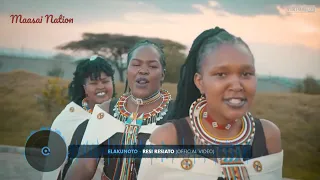
Music has become a powerful space for language preservation. Gospel singers, cultural performers and contemporary Maa artists place the language in YouTube videos, TikTok clips, livestreams and recorded mixes. Young people can hear Maa in modern musical styles while still connecting songs to family, faith and cultural pride.
Digital technology also creates opportunities for dictionaries, recorded oral histories, subtitles, language-learning videos and speech technology. In 2026, research efforts are increasingly including Maasai in larger African-language datasets, showing that Maa has a place not only in tradition but also in the future of digital technology.
Keeping Maa strong
Language survives when people use it. Families can speak Maa with children, tell stories, explain proverbs, record elders, encourage reading and writing, and make room for the language in churches, schools and creative work. Cultural preservation is strongest when language is not treated as a museum object but as something useful, joyful and current.
For Maasai Nation, music and storytelling are part of that effort. Every song title, artist profile, cultural explanation and oral-history project can help make Maa more visible to younger generations and to audiences around the world.