
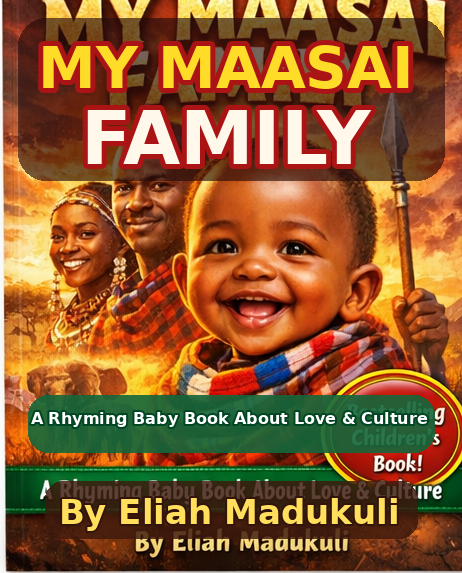
Maasai children learn in more than one classroom. They learn from parents, grandparents, siblings, age mates, churches, livestock work, community ceremonies, schools, phones, books and music. Education today often means finding ways to connect formal schooling with language, cultural knowledge and family responsibility.
Learning begins at home
Children traditionally learn by watching and participating. They may help with livestock, younger siblings, water, household tasks or family businesses depending on age and location. Stories, songs, greetings and correction from adults teach social values such as respect, courage, generosity and responsibility.
Maa language is especially important in early cultural learning. When children understand the language of parents and grandparents, they have greater access to oral history, proverbs, blessings and local knowledge.
The growth of formal education
Formal schooling was once viewed with hesitation in some pastoral communities, partly because schools could separate children from livestock responsibilities or appear to encourage cultural assimilation. Historical research shows that attitudes have changed greatly. Many Maasai families now see education as essential for employment, political representation, land rights, health, business and navigating modern institutions.
Schools can still create practical challenges. Long distances, boarding costs, drought, livestock losses, household poverty and the need for labor can affect attendance. Pastoral mobility may not fit easily with fixed school calendars. These realities make flexible and culturally responsive education especially important.
Girls’ education
Girls’ access to school has expanded, but barriers remain in some areas, including early marriage, household labor, safety and financial pressure. Maasai women and community organizations have built schools, mentorship programs and advocacy networks to keep girls in education. Research in Kenya documents strong support among many mothers and teachers for girls’ education because of the benefits they expect for families and communities.
Education and pastoral life
Recent scholarship describes education as both an opportunity and a complicated adaptation pathway in pastoral areas. Schooling can create access to jobs and knowledge useful in changing economies, but it can also reduce the time young people spend learning practical livestock skills if there is no deliberate effort to teach both.
A strong future may therefore involve “using both hands”: learning the knowledge of school while also learning Maa language, livestock care, cultural history and community responsibility.
Books, media and the next generation
Children increasingly encounter culture through digital media as well as family life. Music videos, children’s books, podcasts, school projects and social platforms can either repeat stereotypes or offer richer community-centered stories. Cultural education works best when children see themselves represented as full human beings—traditional and modern, rural and urban, playful and ambitious.
Maasai Nation’s educational work can support this by creating age-appropriate stories, Maa-language resources, artist interviews, oral-history recordings and visual guides that families and teachers can use.