.webp)
Culture is not a museum piece. It is a living story.
Explore Maasai identity through Maa language, land, livestock, family, age sets, leadership, spirituality, music, beadwork, ceremony, education, conservation and the changing realities of life today.
People, cattle, land, faith and community are deeply connected.
For generations, Maasai communities in Tanzania and Kenya have built ways of life around pastoral knowledge, mobility, family responsibilities, age-set relationships, livestock care, ceremony, spirituality and deep familiarity with dryland environments.
Culture is never exactly the same in every village or family. Maasai communities are diverse, and contemporary life includes schools, towns, universities, churches, businesses, professional careers, phones, social media and global connections alongside long-standing traditions.
This cultural guide is designed to honor that complexity. It celebrates heritage without pretending Maasai people are frozen in the past.
.jpg)
Explore the Maasai world
These 16 core topics provide a gateway into Maasai history, language, social organization, pastoral life, creativity, spirituality, education and contemporary change.
Who the Maasai are
Origins, language, place and belonging
The Maasai People
Explore identity, clans, Maa language, pastoral heritage, family ties and what it means to be Maasai today.
Read the full story → 02Maasai History
Trace migration, changing territories, colonial disruption, land loss, resilience and the ways communities adapted over time.
Read the full story → 03Maa Language
Learn about oral tradition, storytelling, greetings, multilingual life and why language preservation matters to cultural continuity.
Read the full story → 04Where Maasai Live
Discover Maasai homelands across Tanzania and Kenya, from rangelands and villages to towns, cities and global diaspora communities.
Read the full story →Knowledge shaped by the rangelands
Livestock, seasons and environmental knowledge
Cattle & Pastoral Life
Understand the cultural, economic and social importance of cattle, sheep and goats, and the knowledge used to manage water, pasture and herds.
Read the full story → 06Seasons & Time
See how rainfall, pasture, livestock condition, ceremonies and seasonal movement have long shaped the rhythm of daily life.
Read the full story → 07Daily Life
Explore homes, food, clothing, work, schooling, transport, technology and the many ways rural and urban Maasai life now overlap.
Read the full story → 08Maasai Today
Meet a culture navigating climate pressure, education, careers, cities, entrepreneurship, media and cultural revival.
Read the full story →Relationships that hold society together
Age sets, family, leadership and education
Social Life
Learn how family, neighbors, age sets, friendship, mutual support and community responsibility shape belonging and social life.
Read the full story → 10Maasai Women
Explore women’s roles in family life, livestock, beadwork, business, education, faith, leadership and cultural transmission.
Read the full story → 11Children & Education
See how children learn through family, livestock work, language, observation, school, church and increasingly digital tools.
Read the full story → 12Leadership
Discover the roles of elders, age-set leaders, spiritual figures, elected leaders and new generations of community advocates.
Read the full story →Faith, ceremony, music and art
How knowledge and identity are expressed
Beadwork & Jewelry
Discover color, craftsmanship, adornment, identity, gift-giving and the economic importance of beadwork to many women and families.
Read the full story → 14Religion & Beliefs
Explore Enkai, blessing, prayer, traditional spirituality, Christianity and the many ways faith is practiced in contemporary communities.
Read the full story → 15Music & Dance
Experience vocal traditions, call-and-response singing, dance, gospel worship and the rise of contemporary Maasai music and digital performance.
Read the full story → 16Rituals & Traditions
Learn about life stages, ceremonies, blessings, marriage, elderhood, age-set transitions and how practices continue to change.
Read the full story →Culture varies by place, clan, denomination, generation and family. Our goal is respectful cultural education, not to claim that one description represents every Maasai person or community.
Read our editorial notes and sources →Pastoral knowledge can also be conservation knowledge.
In northern Tanzania, the Engaresero Maasai Pastoralist Heritage Area has been internationally recognized for a pastoral system shaped by generations of knowledge about livestock, water, pasture, drought and wildlife. The landscape shows how herding, community organization and ecological knowledge can work together rather than being treated as opposites.
Families make decisions about movement, water access, forage and animal health using knowledge built through long experience of dryland conditions. That knowledge is increasingly important as climate variability, land pressure and livelihood change reshape pastoral life.
Heritage survives because people keep practicing, teaching and adapting it.
Preservation is not about freezing culture in the past.
Maa language, songs, stories, beadwork, pastoral knowledge, faith and community values can continue alongside education, professional careers, technology and global connections.
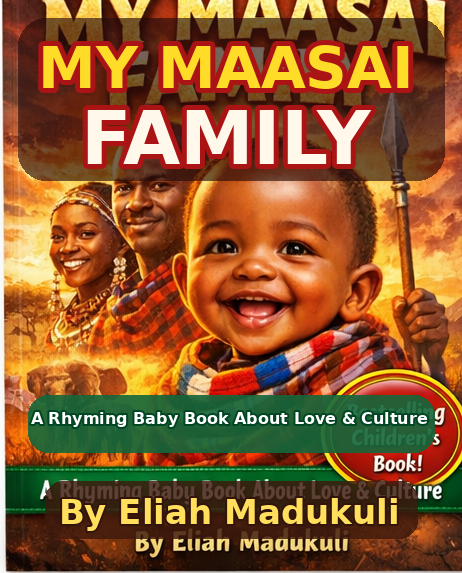
Maasai Nation uses music, digital media, books and cultural education to help younger generations and global audiences discover cultural knowledge in accessible ways.
Respect the people. Respect the diversity. Keep the story moving forward.
Maasai Nation celebrates cultural pride while recognizing that no single webpage can speak for every Maasai community. We aim to present culture with dignity, encourage learning, support artists and storytellers, and make space for Maasai voices to define their own future.